

Сорок - это не возраст, а точка отсчета. Именно сейчас кожа начинает менять свои правила игры. Кollagen production drops by about 1-2% annually after this age, and elastin fibers start to fragment. You might notice that your morning skincare routine no longer gives the same plump, refreshed look it did at thirty-five. The skin feels thinner, drier, and fine lines around the eyes and mouth become more persistent.
But here is the good news: modern cosmetology has moved far beyond just "filling wrinkles." Today, we focus on биоревитализация, cellular renewal, and structural support. As a specialist practicing in Kaluga, I see many clients who are afraid of looking "overdone" or artificial. The goal after forty is not to erase every sign of life but to restore density, hydration, and radiance. Let’s talk about what actually works, what you should skip, and how to build a realistic plan for mature skin.
Why Skin Changes After 40: The Biological Reality
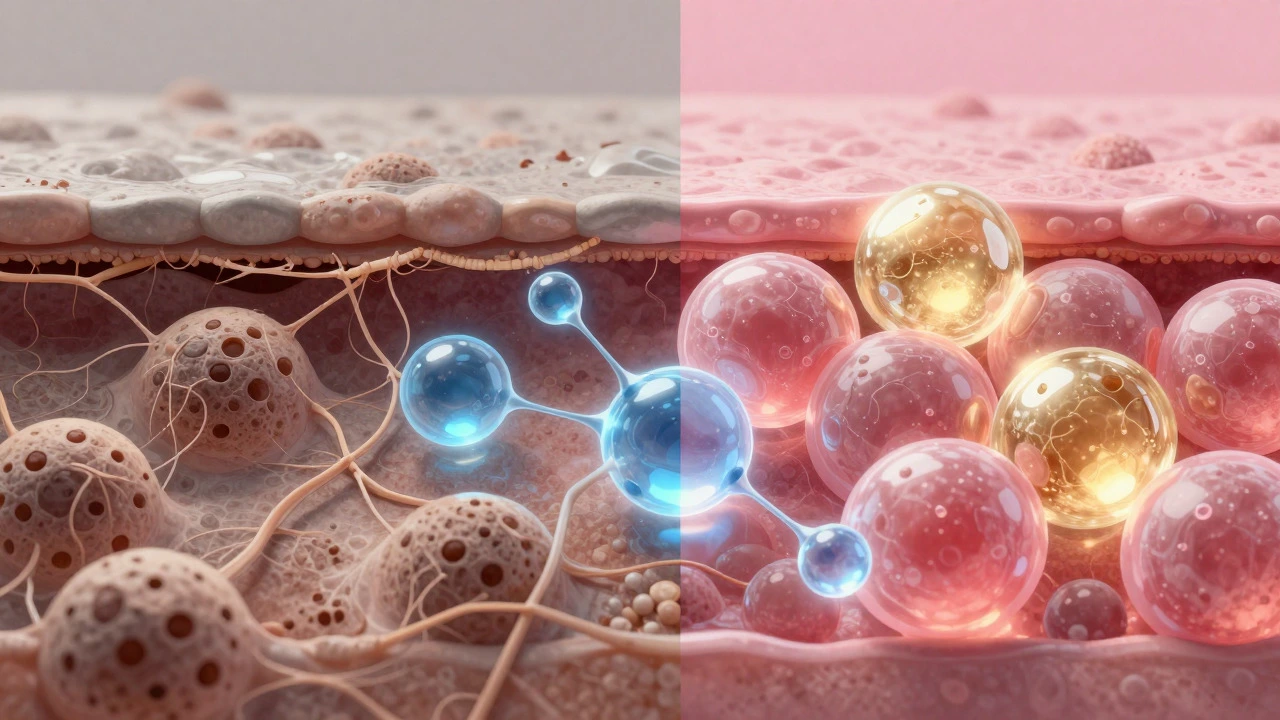
To choose the right procedure, you need to understand what is happening under the surface. It is not just about gravity pulling things down. The main issue is dehydration and loss of volume in the deep dermis layers. Hyaluronic acid, which naturally holds water in our cells, decreases significantly. This leads to that tired, dull appearance even if you sleep well.
Additionally, the turnover rate of skin cells slows down. In your twenties, a cell might renew itself every twenty-eight days. By forty-five, that cycle can stretch to forty-five days or more. Dead cells accumulate on the surface, making the skin look rough and preventing active ingredients from penetrating deeply. This is why topical creams alone often hit a ceiling in their effectiveness. They cannot reach the deeper layers where the structural damage occurs.
The Core Procedures: What Actually Works
If you walk into a clinic and ask for a list, you will get ten different answers. Here is the filtered list of procedures that provide tangible results for women over forty, based on clinical evidence and patient feedback.
1. Biorevitalization: The Hydration Foundation
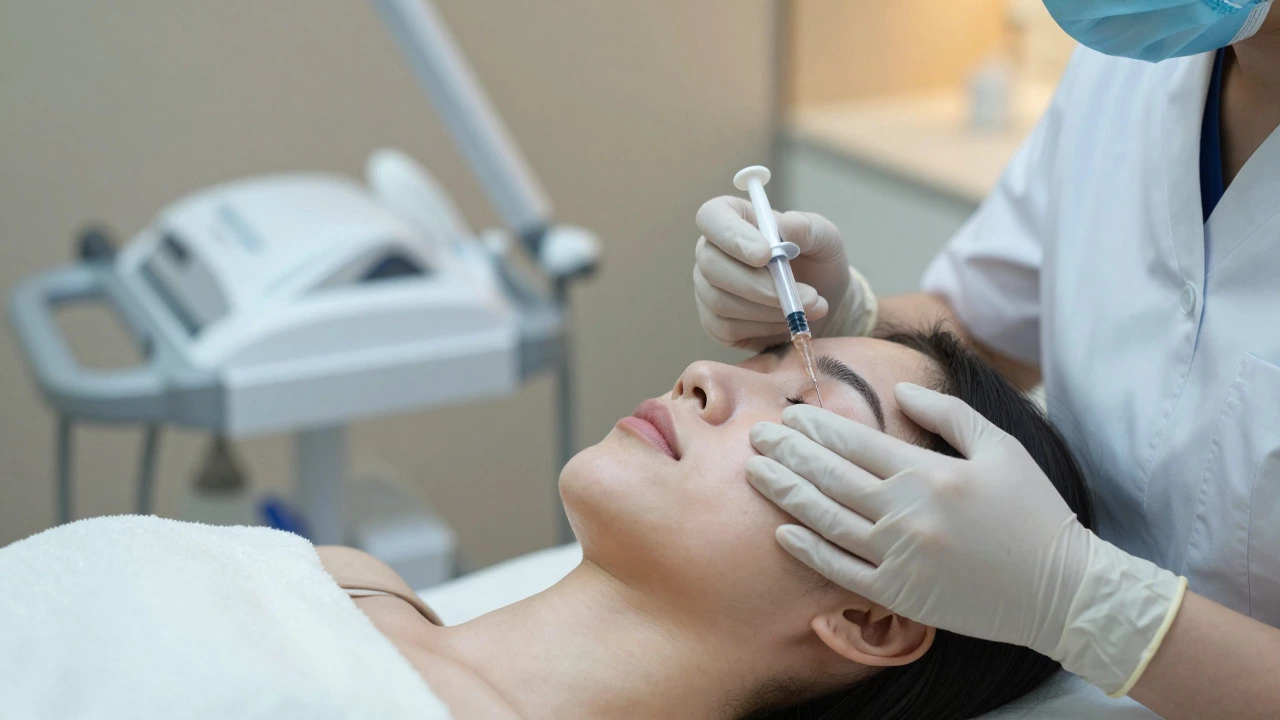
This is arguably the most important procedure for this age group. Biorevitalization involves injecting non-crosslinked hyaluronic acid directly into the dermis. Unlike fillers, which add volume, biorevitalizers wake up the skin's own mechanisms. They bind water molecules, improving elasticity and tone.
You typically need a course of three to four sessions spaced two to three weeks apart. The result is not immediate; it builds up over a month. Your skin will look healthier, less gray, and more resilient. It is the best base before considering any other treatments like lasers or peels.
2. Mesotherapy: Targeted Nutrition
While biorevitalization focuses on hydration, Mesotherapy delivers a cocktail of vitamins, amino acids, antioxidants, and sometimes peptides. Think of it as feeding the skin from the inside out. For mature skin, cocktails rich in vitamin C, E, and B-complex are essential to combat oxidative stress caused by UV exposure and pollution.
This procedure is excellent for addressing specific concerns like hyperpigmentation or lack of shine. It is less invasive than biorevitalization but requires regular maintenance, usually once a month during spring and autumn.
3. Chemical Peels: Resurfacing Without Downtime
Many women fear peels because they associate them with redness and peeling skin. Modern protocols use gentle acids like mandelic, lactic, or low-concentration glycolic acid. These superficial peels exfoliate the top layer of dead cells, stimulating new cell growth without damaging the barrier.
For skin over forty, I recommend avoiding aggressive phenol peels unless done by a highly experienced doctor. Instead, opt for "lunchtime peels" that brighten the complexion and improve texture within a few days. A series of five to six sessions can significantly reduce fine lines and even out skin tone.
4. Hardware Cosmetology: RF-Lifting and Microneedling
Radiofrequency lifting (RF-lifting) uses heat energy to tighten collagen fibers. It is safe for all skin types and provides a subtle lifting effect. It does not replace surgery but helps maintain firmness in the cheeks and jawline.
Microneedling creates micro-injuries that trigger the body's healing response, producing new collagen and elastin. When combined with growth factors or PRP (platelet-rich plasma), it becomes a powerful tool for scar revision and pore refinement. However, recovery time is longer than with injections, so plan accordingly.
| Procedure | Primary Goal | Recovery Time | Sessions Needed |
|---|---|---|---|
| Biorevitalization | Deep hydration, elasticity | 1-2 days (redness) | 3-4 initial, then maintenance |
| Mesotherapy | Nutrition, pigmentation control | Minimal (pinpricks) | Monthly maintenance |
| Chemical Peels | Texture, brightness | 2-5 days (peeling) | 5-6 sessions |
| RF-Lifting | Tightening, contouring | None to mild redness | 3-5 sessions |
What to Avoid: Common Mistakes After 40
In my practice in Kaluga, I often see patients who rush into aggressive treatments without preparing their skin. Here are the pitfalls to avoid:
- Over-filling: Trying to erase nasolabial folds with too much filler can make the face look heavy and unnatural. Mature skin needs subtle support, not volume overload. Start small; you can always add more later.
- Skip Sun Protection: No procedure will work if you burn your skin in the sun. UV radiation breaks down collagen faster than aging itself. Use SPF 30+ daily, even in winter.
- Ignoring Neck and Décolletage: The skin on the neck is thinner and ages faster. If you treat your face but neglect the neck, the contrast will be obvious. Include these areas in your mesotherapy and RF-lifting plans.
- Aggressive Home Care: Do not combine professional peels with strong home retinoids or acids without consulting your doctor. This can compromise the skin barrier, leading to sensitivity and inflammation.
Building Your Personal Plan: A Step-by-Step Guide
There is no one-size-fits-all approach. Your plan should depend on your skin type, budget, and goals. Here is a logical sequence for starting your journey:
- Consultation and Analysis: Visit a certified cosmetologist. Ask for a VISIA analysis or similar diagnostic tool to see what is happening under the surface (pigmentation, pores, wrinkles).
- Preparation Phase (1-2 months): Start with biorevitalization and gentle mesotherapy. This hydrates and nourishes the skin, making it ready for more intensive treatments.
- Active Treatment Phase: Introduce hardware methods like RF-lifting or microneedling. If pigmentation is an issue, add chemical peels.
- Maintenance Phase: Once you achieve the desired result, switch to quarterly maintenance sessions. Consistency is key; sporadic treatments yield poor results.
Home Care: Supporting Professional Results
Professional procedures are only half the battle. Your home routine must support the work done in the clinic. Focus on three pillars:
- Cleansing: Use gentle, pH-balanced cleansers. Avoid harsh soaps that strip natural oils.
- Moisturizing: Look for products with ceramides, hyaluronic acid, and niacinamide. These ingredients repair the skin barrier and reduce inflammation.
- Protection: As mentioned, sunscreen is non-negotiable. Additionally, consider antioxidant serums (Vitamin C) in the morning to neutralize free radicals.
Remember, consistency beats intensity. Applying a good moisturizer every day is more effective than using an expensive cream once a week.
Cost Considerations and Realistic Expectations
In Russia, prices vary significantly by region and clinic tier. In cities like Moscow or St. Petersburg, costs are higher, but in regions like Kaluga, you can find high-quality care at more accessible prices. On average:
- Biorevitalization: 5,000 - 12,000 RUB per session
- Mesotherapy: 3,000 - 8,000 RUB per session
- Chemical Peels: 2,000 - 6,000 RUB per session
- RF-Lifting: 4,000 - 10,000 RUB per session
Budget for a full course initially. Trying to save money by doing only one session will likely disappoint you. View it as an investment in your health and confidence.
Is it too late to start cosmetic procedures after 40?
Absolutely not. Forty is an ideal time to start preventive care. The earlier you address hydration and collagen loss, the better the long-term results. Starting now can prevent more severe issues in your fifties.
How painful are these procedures?
Most injectable procedures use topical anesthetics, making them quite comfortable. You may feel slight pressure or pinpricks. Hardware treatments like RF-lifting involve warmth but are generally well-tolerated. Pain tolerance varies, so communicate with your doctor.
Can I combine multiple procedures in one visit?
Yes, but carefully. A common combination is biorevitalization followed by LED therapy. However, avoid combining aggressive peels with injections on the same day. Always follow your doctor's protocol to minimize irritation.
Do I need to stop taking medications before treatment?
Inform your doctor about all medications, especially blood thinners, aspirin, or supplements like fish oil, as they can increase bruising risk. Usually, stopping them for 3-7 days before injection is recommended, but only do this under medical advice.
How long do the results last?
Results vary by procedure. Biorevitalization effects last 3-6 months. RF-lifting results can persist for 6-12 months. Maintenance sessions are crucial to sustain the improvements. Aging is a continuous process, so care should be ongoing.